

When a loved one is arrested, the immediate goal is often to secure their release from custody. While posting bail brings a sense of relief, it's important to understand that release often comes with specific conditions set by the court, and drug testing is a common one. At Advanced Bail Bonding, we understand that navigating these requirements can be confusing, especially during an already stressful time, and we're here to help you understand what to expect.
Understanding Bail Conditions
Bail is essentially a promise that an individual will appear for all scheduled court dates. To ensure compliance and public safety, courts often impose conditions on release. These conditions vary widely depending on the nature of the alleged offense, the individual's criminal history, and other factors. Beyond simply showing up for court, common conditions might include restrictions on travel, maintaining employment, avoiding contact with certain individuals, or refraining from alcohol or drug use. It's crucial to be aware of and strictly adhere to all conditions of release, as any violation can lead to bail revocation and re-arrest.

Why Drug Testing Becomes a Condition
Courts often mandate drug testing as a condition of bail, particularly when the alleged crime is drug-related or if there's a history of substance abuse. For instance, individuals facing charges requiring bail bonds for DUI may almost certainly have drug or alcohol testing as part of their release conditions. The purpose of these tests is multifaceted: it helps ensure the individual's sobriety, minimizes the risk of new offenses while awaiting trial, and encourages participation in rehabilitation if needed. This condition reflects the court's commitment to public safety and the defendant's accountability throughout the legal process.
What to Expect with Drug Testing Requirements
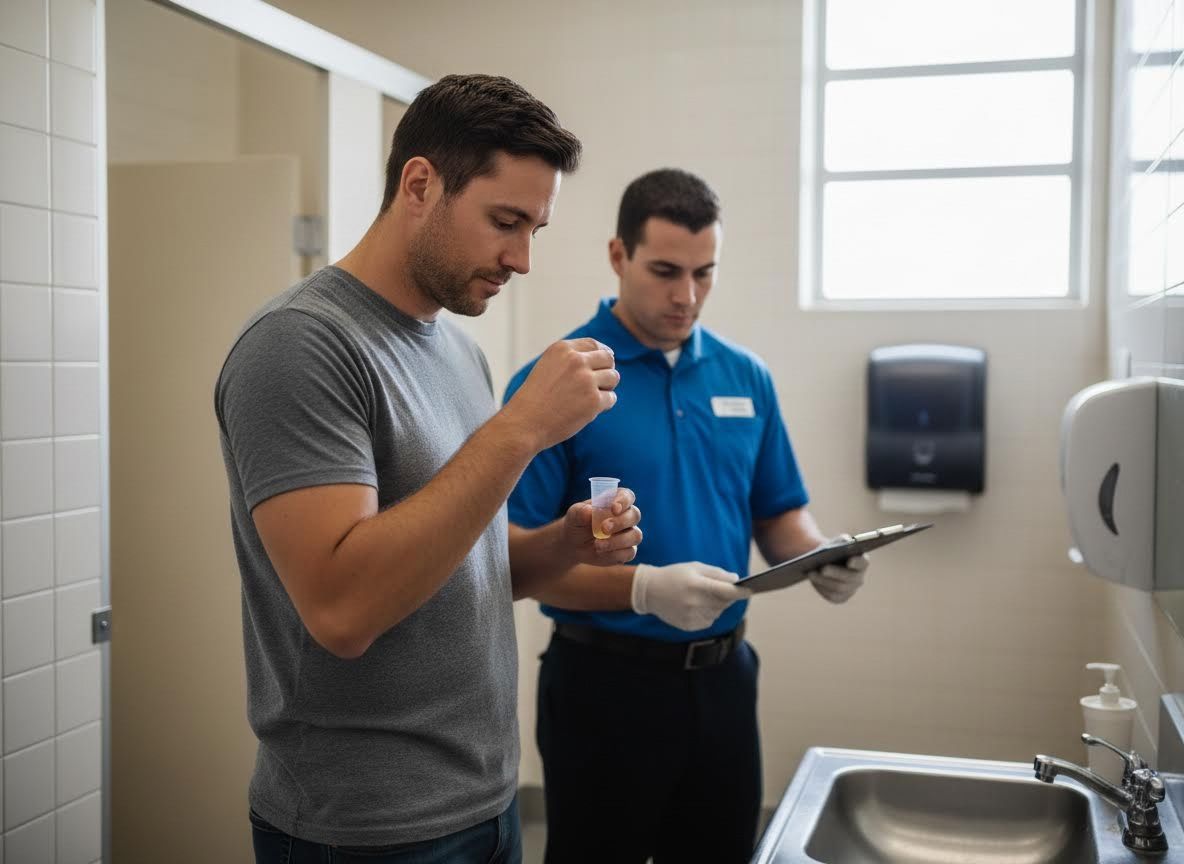
If drug testing is a condition of bail, the court will outline the specifics. This typically includes the type of tests (urine, hair, or blood), the frequency of testing (random or scheduled), and the reporting procedures. You might be required to report to a specific facility or use a take-home kit. It's vital to understand that any positive test result or failure to appear for a scheduled test can be considered a violation of bail conditions. Such a violation can result in the bail being revoked, meaning the individual would be returned to custody until their court date. Open communication with your legal counsel and strict adherence to these requirements are paramount.
For assistance with understanding bail conditions or securing release, remember that a trusted bail bonding company is always available to offer guidance. Whether you need information about domestic violence in Tennessee cases or require a Spanish-speaking bail bondsman, dedicated professionals are ready to help, offering 24/7 bail bonds in Tennessee to assist you or your loved one through these challenging times.